A Morning in Chamoson: Discovering Simon Maye & Fils
Updated: Nov 25, 2025
The Journey
On a gentle autumn morning, I took the winding road toward the sun-drenched hillsides of Valais, stopping in Chamoson—a village proudly recognised as the largest wine-producing commune in the canton.
A Unique Terroir: The Alluvial Fan
What distinguishes Chamoson's terroir from the rest of Valais?
The geological particularity:
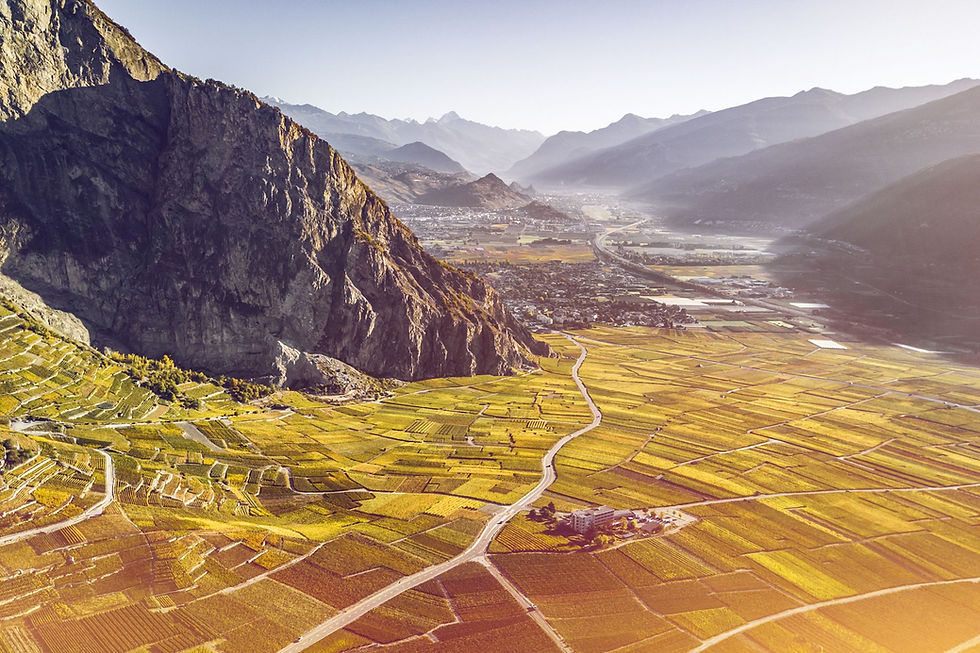
Vineyards are planted on an alluvial fan, a geological rarity
During the last ice age, glaciers carved a torrent through present-day Chamoson
Tons of rock debris and mountain sediment settled in successive layers
The result:
Gentler slopes compared to typical Valais vineyards
Younger, heavier earth with richer mineral composition
A terroir where Fendant, Johannisberg, and Arvine find exceptional expression
Three Generations of Visionary Persons at Simon Maye's estate
Domaine Simon Maye was founded in 1948 by Raphaël's grandfather, Simon, who abandoned his law studies after falling in love with the soil and the vine.
His sons, Axel and Jean-François, officially took over in 1980, expanding the estate's parcels, building a cellar beneath the family house, and developing commercial distribution.

In 2015, Raphaël joined the family domain to express his own sensibility and vision of Chamoson's terroirs. His partner Nadine works alongside him, managing administration and welcoming visitors to the estate. The Maye family has always been visionary—Raphaël continues this lineage.
Raphaël's Philosophy: Burgundian Structure, Valais Soul
After travelling extensively, Raphaël chose to dedicate himself to his terroirs through a Burgundian lens: each wine represents a single parcel expressed through a single grape variety. Every bottle transpires purity.
He possesses deep viti-oenologic knowledge and understands modern techniques intimately, which is precisely what allows him to transcend them. He's freed himself from convention to follow his imagination and listen to the vines throughout the year.
The red thread:
No embellishments, only a clear line connecting all wines
No single wine dominates another
Terroir expression is the binding element
The Estate Today
Surface:
8 hectares in Chamoson
2 hectares on the schistous slopes of neighbouring Ardon
The Technical Approach: Precision Through Restraint
Philosophy Over Numbers
If you ask Raphaël for analyses or numbers, he'll calmly tell you he has no idea.
Why?
He performs obligatory analyses but doesn't dwell on them
For him, balance isn't found in numbers on paper
It's about the energy a wine delivers in the mouth
The life in his vineyards, the emotions it releases
His conviction: His sensibility is non-negotiable. His wines are just as uncompromising as he is.
White Wine Vinification
Core principles:
100% dry, no residual sugar
Avoids malolactic fermentation when possible (preserves cutting edge and vivacity)
Little to no oak
Élevage:
Stainless steel or concrete tanks
Approximately 8 months of ageing
Yields are naturally controlled and manually reduced for juice concentration
Sulfur usage:
Used sparingly—only if needed and at bottling
Doses far below legal maximums
Red Wine Vinification
Harvest philosophy:
Perfect maturity without over-ripening
Committed to preserving fruit freshness
The process:
1. Destemming
Clusters destemmed (rachis removed)
Some cuvées receive a small percentage of stems back (typically low levels)
2024: No stems added due to complicated vintage—vegetable matter not fully mature
2. Cold maceration
Whole berries are placed in the tank
Semi-carbonic fermentation begins
The result:
Gentle intracellular fermentation
Red fruit and floral notes (primary aromas)
Silky, less astringent tannins
The Wine selection
Table of Contents
White wines :
The Fendant Trilogy: Three Parcels, Three Expressions
The estate expresses Fendant (Chasselas) across three distinct parcels: Fauconnier, Trémazières & Moette.
Fauconnier sits on the edge of the village, near the hard rock slopes. The land here is predominantly sandy with schist stones, a poor, well-drained soil that produces elegant, approachable wines.
Trémazières, by contrast, lies just 200 meters away in the heart of the village. Here, the soil is rich with clay and limestone, offering considerable depth before reaching bedrock. This parcel produces the estate's most celebrated Chasselas.
Mouette is the outlier of the three. Grapes are sourced from the Ardon slopes, where vines struggle on extremely poor schistous rock. There's virtually no topsoil—the vines are planted directly into fractured schist. Roots navigate millions of stone slices to find water and nutrients, resulting in slower development, lower yields, and remarkable concentration.
Fendant "Fauconnier" 2024
Technical Details:
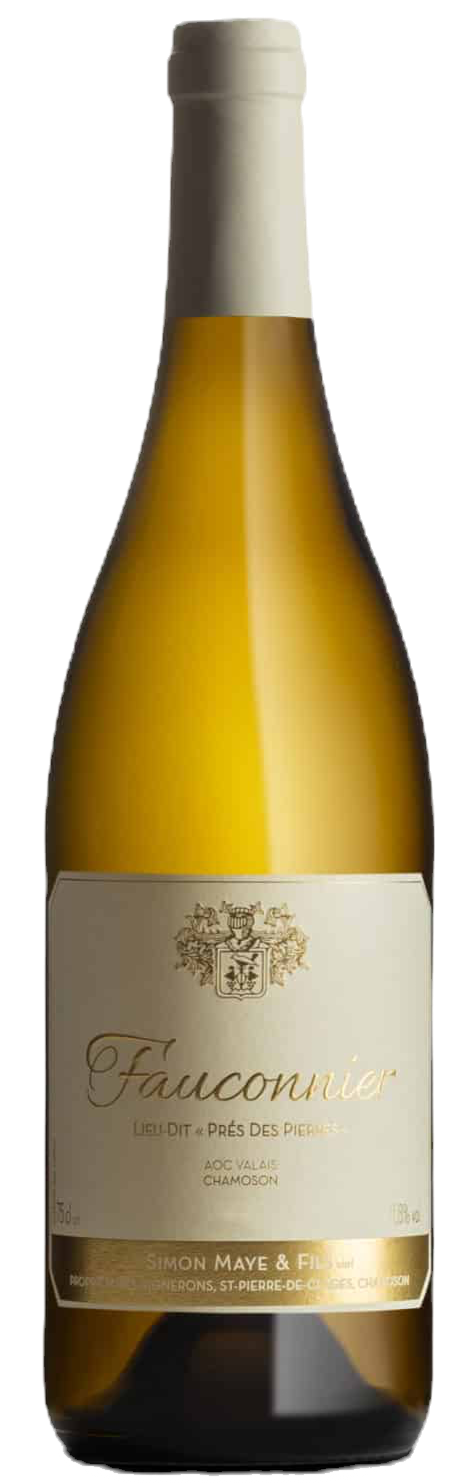
Appellation: AOC Valais
Grape variety: 100% Chasselas (Fendant)
Soil: Sandy with schist stones, located near the cliff edge
Vinification: 100% stainless steel tank & concrete
Malolactic fermentation: None
Élevage: Approximately 8 months
Tasting Note
This wine offers delicate charm and immediate approachability. There's a sense of ease thanks to abundant floral notes—citrus blossom dominates the nose. On the palate, crunchy yellow apple and fresh pear flavours flow into a mellow mid-palate, making this Chasselas easy to understand and enjoy for most wine drinkers. It's the perfect introduction to Raphaël's style: pure, clean, refreshing.
Optimal Service
Temperature: 8°C
Glassware: Standard white wine glass
Decanting: Not necessary—serve straight from the bottle
Ideal season: Spring and early summer
Food Pairing
The wine's delicate profile and crisp acidity make it a natural companion for fresh white asparagus dressed simply with hollandaise or vinaigrette. It's equally at home with shrimp carpaccio.
Think about simplicity and freshness.
Drinking Window: Drink young and fresh, ideally within 1-3 years of vintage.
Fendant "Trémazières" 2024
Technical Details:

Appellation: AOC Valais
Grape variety: 100% Chasselas (Fendant)
Soil: Rich clay-limestone, located in the middle of the village
Vinification: 100% stainless steel tank & concrete
Malolactic fermentation: None
Élevage: Approximately 8 months
Tasting Note
This Chasselas is serious business. The estate has built its reputation on this parcel, and for good reason. Trémazières is intensely alive—the level of energy is extraordinary. Salty edges leave the palate salivating long after the wine has left your mouth. This is not background wine; it demands attention and doesn't let you go without reflection.
In its youth, there's a light reduction on the nose, but nothing concerning. With a bit of oxygen, it dissipates easily, revealing sharper aromatic precision: lime and lemon zest, orange blossom, and that distinctive oyster shell minerality. The palate is vibrant, electric, with a finish that seems to go on forever.
Optimal Service
Temperature: 8°C
Glassware: Slightly larger white wine glass (to allow aeration)
Decanting: Not necessary, but swirling helps dissipate youthful reduction
Note: Allow a few minutes in the glass for the wine to open
Food Pairing
Trémazières needs noble ingredients that can match its intensity and saline character. I'd serve it with king crab legs dressed simply in drawn butter, or a variety of raw and cooked seafood such as sea urchin, langoustines, and razor clams. A steamed sea bass with beurre blanc would be sublime, the wine's salinity echoing the ocean while its acidity cuts through the richness of the sauce.
Drinking Window: 2025-2030. Drink young for electric freshness, or age 3-5 years for added complexity.
Fendant "Moette" 2024
Technical Details:

Appellation: AOC Valais (Ardon)
Grape variety: 100% Chasselas (Fendant)
Soil: Pure schist rock with virtually no topsoil
Vinification: 100% stainless steel tank & concrete
Malolactic fermentation: None
Élevage: Approximately 8 months
Tasting Note
Mouette is a completely different conversation. This is not a wine to drink in its youth. There's nothing immediately approachable about it. More pronounced reduction than Trémazières, a tighter structure, and higher-pitched acidity. At first, you might wonder what all the fuss is about.
But beneath that austere exterior lies something profound. The mid-palate is full, ripe, generous. There's a smoky, mineral persistence that extends far beyond what you'd expect from Chasselas. This wine is built for the cellar.
It will reward patience with years, even decades, of evolution.
There simply aren't many Fendants with this level of quality and ageing potential. If you have the discipline to lay it down, Mouette will become something truly special.
Optimal Service
Temperature: 10°C (slightly warmer to reveal complexity)
Glassware: Burgundy or Chardonnay glass (generous bowl)
Decanting: Recommended if aged 5+ years: need a breath
Note: This wine needs time and space
Food Pairing
Mouette demands noble ingredients and culinary precision. I'm thinking turbot fillet, slow-cooked to perfect tenderness, with a classic white wine sauce and a spoonful of Osciètre caviar to finish. Or perhaps whole sea bream, lightly charred over open fire with herbs, finished with seaweed oil that echoes the wine's saline minerality.
The wine's structure and concentration can handle rich preparations—cream sauces, butter-poached fish, even aged comté cheese.
Drinking Window: 2028-2040+. Best after 3-5 years minimum. Can age 15-20 years or more in ideal conditions.
Ageing Potential: Exceptional. One of Valais' most age-worthy Chasselas.
Petite Arvine "Beuble" 2024
Technical Details:

Appellation: AOC Valais (Ardon)
Grape variety: 100% Petite Arvine
Soil: Schist rock on steep slopes
Vinification: 100% stainless steel tank & concrete
Malolactic fermentation: None
Élevage: Approximately 8 months
Tasting Note
This is the wine that put Raphaël on the map, and deservedly so. Petite Arvine from Ardon's schistous slopes is seriously sharp, with vibrant acidity that cuts like a laser. Yet there's nothing angular or harsh about it. The purity is remarkable, the elegance unmistakable.
What struck me most was the full mid-palate; there's juicy complexity here, with texture and flavours moving together in perfect harmony. The structure on the palate is substantial, giving the wine both intensity and length. Orange, grapefruit, and lemon notes dominate, with that characteristic Arvine salinity threading through the finish.
This was one of my favourites of all the tastings. It's a wine that demands attention and rewards it generously.
Optimal Service
Temperature: 9-10°C
Glassware: Medium-sized white wine glass
Decanting: Not necessary
Note: Allow a few minutes for the glass to fully express itself
Food Pairing
Petite Arvine's sharp acidity and citrus profile call for something richer, something with texture. I'd reach for roasted monkfish—that chewy, meaty fish that can stand up to the wine's intensity. Finish the dish with fresh grapefruit segments and grapefruit juice, creating a direct aromatic bridge to the wine's citrus character. The acidity cuts through the fish's richness while the complementary flavours amplify each other beautifully.
Drinking Window: 2025-2032. Delicious now for its vibrant energy, but will develop beautifully over 5-7 years.
Chardonnay VV 2023
Technical Details:

Appellation: AOC Valais (Chamoson)
Grape variety: 100% Chardonnay
Soil: Rich, heavy soil on lower slopes
Vineyard: Old vines planted by Raphaël's grandfather
Vinification: 100% barrel-aged for 12 months (no new oak) + 8 months resting period in concrete
Vintage character: Warm, autumn-driven vintage
Tasting Note
This is a very particular Chardonnay—not just because of the old vines, but because Raphaël has managed the warm 2023 vintage with remarkable skill. The first impression is all about generosity, richness, and intensity. There's toasted bread, fresh butter, and a creamy texture that suggests weight and power.
But here's where it gets interesting: once the wine hits your palate, there's a complete shift. Fully vibrant acidity emerges, bringing freshness and brightness that completely transform the experience. You get that purity, that unmistakable identity that runs through all of Raphaël's wines. It's elegant, it's balanced, it's mind-blowing for Valais Chardonnay—especially in a vintage as warm as 2023.
The extended ageing has given the wine both complexity and tension. It's ripe without being heavy, rich without losing its soul.
Optimal Service
Temperature: 11-12°C
Glassware: Burgundy glass (generous bowl)
Decanting: Not necessary, but benefits from time in the glass
Note: This wine evolves beautifully as it warms slightly
Food Pairing
This Chardonnay has the structure and richness to handle substantial preparations. I'm thinking butter-poached lobster with sauce américaine, or roasted chicken with morel mushrooms and cream. The wine's toasted, buttery notes would also pair beautifully with pan-seared foie gras on brioche or a Gruyère cheese aged 24 months.
The key is matching the wine's generosity with equally rich ingredients while letting its acidity provide balance.
Drinking Window: 2024-2035. Drinking beautifully now, but has the structure to age gracefully for a decade or more.
Ageing Potential: Excellent. Old vines + extended élevage = long life ahead.
Heida (Païen) Prémasia 2023
Technical Details:

Appellation: AOC Valais (Chamoson)
Grape variety: 100% Heida (Païen/Savagnin Blanc)
Soil: Located in the middle of the village
Vineyard: Old vines planted by Raphaël's father
Vinification: Barrel-aged in old oak (no new barrels) for 12 months
Élevage: 12 months in oak, followed by 8 months in a concrete tank
Vintage character: Warm vintage, high ripeness
Tasting Note
Heida is the local name for Savagnin in Valais, particularly in the French-speaking regions. It's an aromatic grape variety with high levels of character and plenty of fruit flavours, like quince or ripe pear, with juicy peach coming through.
This wine shows two distinct faces: the fruit and ripeness from the warm 2023 vintage, and the reductive delicacy that defines Raphaël's style. There's a beautiful level of maturity here, but it never loses that sharp, bright acidity, keeping everything in balance. The wine is energetic right from the beginning, vibrant, full of life, with length supported by that persistent acidity.
The mid-palate shows ripeness and warmth, a certain roundness to it. But at the end, there's a slight phenolic bitterness, almost a tannic texture, which adds complexity and structure. This is serious Heida again.
Optimal Service
Temperature: 10-12°C (needs a bit more warmth to open up)
Glassware: Burgundy or Chardonnay glass
Decanting: Not necessary, but benefits from time in the glass
Note: The slightly warmer service softens the phenolic texture at the finish
Food Pairing
This wine needs generosity on the plate. I'd go with roasted chicken with fresh truffle shaved generously over the top. Add some squash purée, roasted butternut. Something very autumnal in flavour profile. The wine's richness and slight phenolic grip can handle the meat's texture, while the truffle echoes the wine's earthy complexity.
Other options: pork loin with sage butter, veal sweetbreads with morel cream, or aged Gruyère.
Drinking Window: 2025-2035. Can be enjoyed now, but I'd keep it for a longer period, 5 to 10 years will bring beautiful development.
Ageing Potential: Excellent. Old vines + extended élevage = serious longevity.
Dôle Blanche 2024
Technical Details:

Appellation: AOC Valais
Grape variety: 60% Pinot Noir, 40% Gamay
Style: Rosé (saignée method)
Vinification: Juice bled off from red wine tanks after brief skin contact
Residual sugar: 2 grams per liter (for softness and balance)
Élevage: Stainless steel tank
Tasting Note
Dôle Blanche is a rosé style very specific to Valais—and unique in the region. Raphaël made this wine just for fun, wanting something easygoing, affordable, and approachable. He used the saignée method, bleeding off juice from his Gamay and Pinot Noir Vieilles Vignes wine tanks. This naturally concentrated the reds while giving the rosé some skin contact and extra character.
The result is intensely juicy: strawberries, raspberries, cranberries bursting from the glass. The texture is very soft, and the tiny amount of residual sugar (just 2g/L) doesn't read as sweetness—instead, it melts everything together, balancing the sharp acidity beautifully. There's a great harmony here.
This is really a wine for spring & summer, meant to be shared with friends without overthinking it.
Optimal Service
Temperature: 8-10°C (well-chilled)
Glassware: Standard white wine or rosé glass
Decanting: Not necessary—serve straight from the bottle
Best season: Spring and summer
Food Pairing
Think casual, convivial moments. Charcuterie and cheese plates, perfect for sharing. Fire up the barbecue—grilled sausages, chicken skewers, and lamb chops. Or keep it simple with fresh tomatoes and burrata, a drizzle of olive oil, and some basil. The wine's soft texture and bright fruit make it incredibly versatile for relaxed dining.
Drinking Window: 2024-2025. Drink young and fresh—this is all about immediate pleasure.
Gamay "Prêt des Pierres" 2024
Technical Details:

Appellation: AOC Valais (Chamoson)
Grape variety: 100% Gamay
Vinification: Semi-carbonic maceration fully destemmed
Maceration: Cold maceration, intracellular fermentation begins within intact berries
Élevage: Stainless steel tank
Vintage character: Cool 2024 vintage, ideal for this style
Tasting Note
This Gamay has a really unique, explosive character—you get the feeling you're opening the tank and smelling the wine right at the end of fermentation. The freshness of the fruit is preserved, that immediacy, it's captivating.
Semi-carbonic maceration brings an explosion of juicy fruits & spices like sour cherries, crunchy strawberries and raspberries as well as cinnamon, black pepper.
The cool 2024 vintage goes very well for this Gamay style, preserving brightness and energy.
The tannins are velvet-soft, very gentle, making this an easygoing wine. But don't be fooled, there's seriousness here too, especially in that spiciness and the ripeness of the fruit.
Optimal Service
Temperature: 12-14°C (light chill)
Glassware: Pinot Noir glass shape
Decanting: Not necessary
Note: Ready to drink now, no ageing needed
Food Pairing
I'd love to see this alongside veal cutlet—a juicy one with a black pepper jus on the side. Add some creamy mashed potatoes, something generous and comforting. The freshness of the Gamay will cut right through the richness, while the wine's peppery spice plays beautifully with the sauce.
Other options: duck breast with cherry reduction, grilled pork chops with herbs, or mushroom risotto with black pepper.
Drinking Window: 2024-2027. Ready to drink now with its youthful exuberance. Can be kept for another 3 years, but why wait?
Pinot Noir Cuvée 2024
Technical Details:

Appellation: AOC Valais (Chamoson)
Grape variety: 100% Pinot Noir
Vineyard: Young vines from the top of Chamoson village (high altitude)
Climate: Cool climate site
Vinification: 10% whole bunch fermentation, semi-carbonic maceration
Maceration: Cold fermentation at the start, very soft extraction throughout
Fermentation duration: 21 days
Élevage: Approximately 12 months in a concrete tank
Tasting Note
This is a soft, juicy style of Pinot Noir, but don't mistake approachability for lack of seriousness. The high level of sour fruits is really crunchy—cranberries, red cherries and pomegranate. It's a very well-made, infused in style red wine, so delicate Pinot with no savoury characters. This is all about the softness of the fruit and the tannins. Those are so supple with gentle texture throughout.
Optimal Service
Temperature: 12-14°C (light chill)
Glassware: Pinot Noir glass shape
Decanting: Not necessary
Note: Ready to drink straightaway
Food Pairing
This delicate Pinot Noir calls for equally refined preparations. Think roasted chicken with herbs, pan-seared duck breast with a light cherry reduction, or grilled salmon with a red wine butter sauce. The wine's soft tannins and bright fruit won't overwhelm delicate proteins.
Drinking Window: 2024-2029. No need to wait—this is about immediate pleasure. Can be kept for 3-5 years if desired.
Camosus 2024
Technical Details:

Appellation: AOC Valais (Chamoson)
Grape variety: 40% Pinot Noir (50-year-old vines), 40% Gamay (40-year-old vines), 20% Merlot for body and structure
Name origin: Old name for Chamoson in the local dialect
Vinification: Semi-carbonic maceration
Élevage: Concrete tank with some oak component
Tasting Note
Camasouch is the estate's only red blend besides Dôle Blanche. A unique wine named after the old dialect word for Chamoson. It's very, very juicy with a lot of power and fruit intensity. The wine is fully elegant despite its concentration, with rich, juicy characters filling the palate.
The 50-year-old Pinot Noir vines bring depth and refinement, while the Gamay adds brightness and spice. While the Merlot offer a rich mid palate and hints of generosity. The result is a highly approachable wine in style and taste, yet serious enough to pair with various preparations and different styles of meat.
Optimal Service
Temperature: 13-15°C
Glassware: Medium-sized red wine glass
Decanting: Optional, but helps open the wine
Note: Versatile and food-friendly
Food Pairing
This wine's power and spice can handle bold flavours. Duck breast with sour cherry sauce would be marvellous, the fruit in the wine echoing the fruit on the plate.
Or go with roasted rack of lamb, where the smokiness from roasting brings extra flavour to complement the savoury, fruity character and high level of spiciness from the Gamay component.
Drinking Window: 2024-2030. Approachable now, with ageing potential for 5-6 years.
Humagne Rouge 2024
Technical Details:

Appellation: AOC Valais (Chamoson)
Grape variety: 100% Humagne Rouge (indigenous Valais variety)
Parcel: Petit Gru (limestone soil, dry, warm site close to cliff)
Vineyard character: Late-ripening variety, benefits from a warm microclimate
Vinification: Stainless steel and concrete tank ageing only
Élevage: Approximately 12 months
Tasting Note
Humagne Rouge is a very particular grape variety from Valais, indigenous to the region. In Raphaël's hands, it's halfway between Pinot Noir and Syrah in style. So refined, so elegant. There's no harshness at any point, this is all about delicacy and savouryness.
The tannins are very well integrated, incredibly soft. You get nice dark fruit characters such as forest fruits, blackberries and blueberries. There's a touch of smoky character with lots of spiciness and black pepper threading through.
The Petit Gru parcel's limestone soil and proximity to the cliff provide the warmth this late-ripening variety needs. The result is a wine of remarkable finesse.
Optimal Service
Temperature: 14°C
Glassware: Medium to large red wine glass
Decanting: Can be opened and decanted 30 minutes before serving
Note: Benefits from a bit of air
Food Pairing
This wine needs a delicate game to match its refinement. Roasted quail would be perfect, or pigeon with a light red wine jus. Roasted chicken or duck is also an excellent choice. The wine as in off power to catch up the richer poultry preparations.
Drinking Window: 2024-2034. It can easily age up to 10 years without any issues.
Ageing Potential: Excellent for Humagne Rouge—this will develop beautiful tertiary complexity.
Syrah "Prés des Pierres" 2024
Technical Details:

Appellation: AOC Valais (Chamoson)
Grape variety: 100% Syrah
Soil: Limestone and gravelly soil, very warm site
Vineyard character: Very restrictive terroir with extremely low yields
Vinification: 100% concrete tank ageing
Élevage: Approximately 12 months
Estate significance: This Syrah has put Domaine Simon Maye in the spotlight for years
Tasting Note
This particular Syrah is just so beautiful. The restrictive, limestone-gravelly terroir controls naturally yields so sharply that concentration is intense, yet the wine never feels heavy.
The aromatics are highly savoury: tapenade, dried herbs, thyme, spices. Then come the dark fruits: dark cherries, dark plum. There's a bit of sour acidity giving the wine tremendous life and energy. That vibrancy on the mid-palate is sharp, almost cutting, yet you've got very juicy, ripe, soft fruits balancing everything.
This was one of my favourite reds of the entire tasting. Mind-blowing. The concrete ageing preserves such purity and precision. To me, thanks to this Syrah, Raphaël has completely mastered this terroir. It show a perfect expression, thata can be easily compared with some of the Northern St-Joseph style. A killer wine, to be tasted blind for even more funm and see what your friends will think about it.
Optimal Service
Temperature: 15-16°C
Glassware: Large bowl glass (Syrah or Bordeaux shape)
Decanting: Yes, it is needed to open 1 to 2 hours before serving, needs to breathe
Note: This wine rewards patience
Food Pairing
This Syrah needs serious protein. I'd go with côte de boeuf—a beautiful rib steak, grilled or roasted, with its rich, meaty character standing up to the wine's power. The wine's savoury herbs and tapenade notes echo perfectly with simply seasoned beef.
Other options: braised short ribs, grilled lamb chops with herbes de Provence, or aged beef Wellington.
Drinking Window: 2025-2038. Approachable now after proper aeration, but has serious ageing potential.
Ageing Potential: Exceptional. 10-15 years easily, possibly longer.
FINAL THOUGHTS
Raphaël Maye represents a new generation of Valais vignerons who understand that great wine is made in the vineyard, not the cellar.
His commitment to purity, his refusal to chase numbers or fashion, his willingness to let each parcel speak its truth throught the grape selection his elder made. To me, this is the future of Swiss wines.
These aren't wines made for critics or competitions.
They're wines made for the table, for contemplation, for moments that matter.
They're wines that reward attention and patience.
They're wines that tell the truth about where they come from.
If you have read this far, you understood that these aren't just wines. They are expressions of terroir filtered through uncompromising vision. And every single details matters to Raphael and his family since decades.
If you have enjoyed those tasting notes, and you would run straigh away to the cellar to fill up the car, to control what I have written. You can... But you might not find much there.
All wines are almost sold out in advance. Every professional and amateurs have those wine in their cellar. But with a bit of luck, you can fin some in you local shop. Be patient, you will, somehow manage to taste them soon.
If there is no possibilities for you, just contact me.
I can help you find, buy and taste them in the best condition possible
QUESTIONS?
Need help building your Domaine des Landions collection?
Want specific vintage recommendations based on your cellar conditions or preferences?
Related Collections:
Last Updated: Novembre 2025
These notes represent my professional assessment based on extensive tasting with the producer. Your experience may vary based on storage conditions, serving temperature, and personal preferences.
About the Author
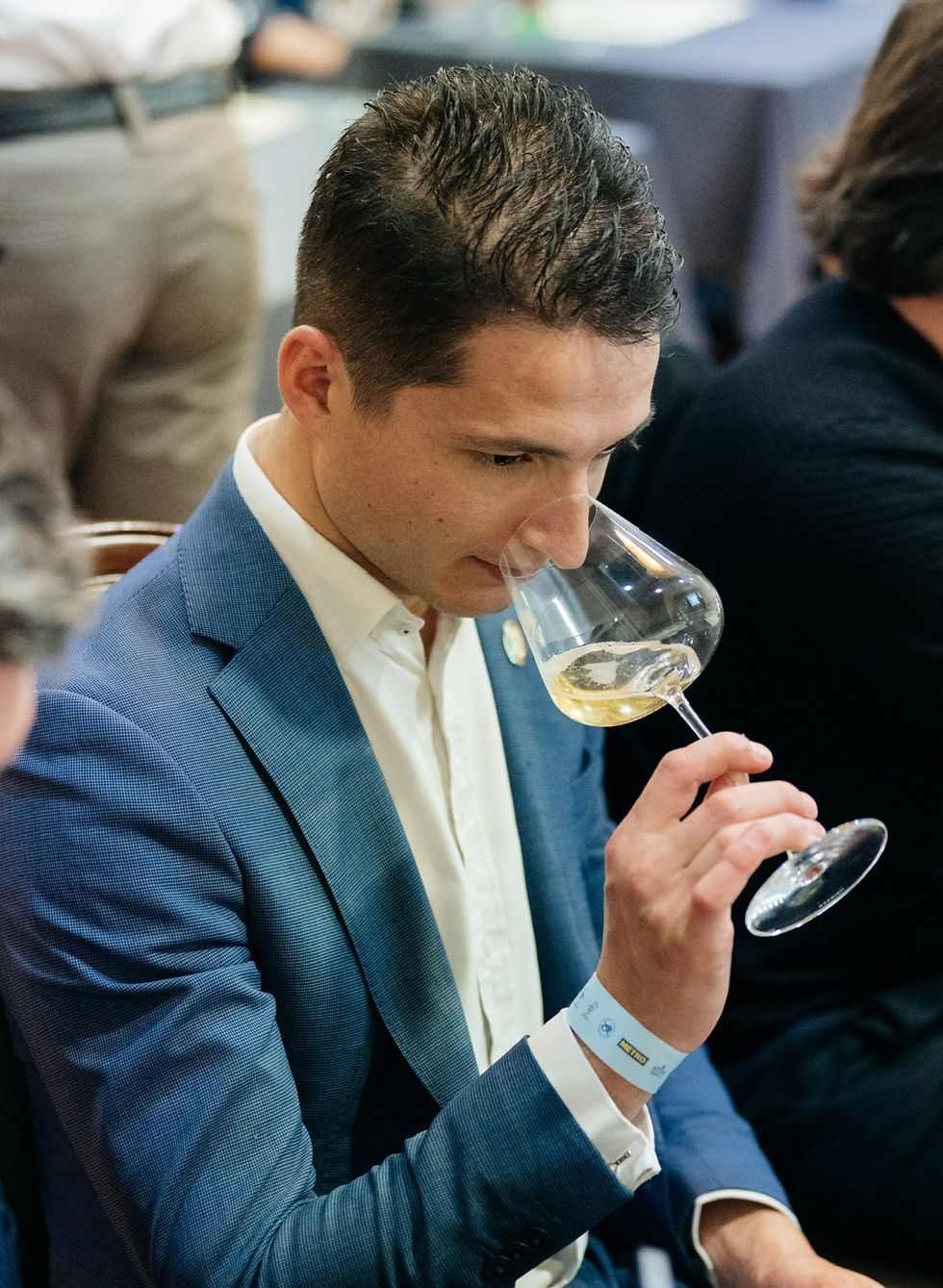
My name is Tony Lécuroux MS. I am a Master Sommelier.
I am also the founder of Paroles de vins, a luxury wine concierge, creating bespoke wine experiences for discerning clients across Switzerland and Europe.
Through Paroles de Vins, I want to bridge the human stories between exceptional winemakers and those who seek authentic, unforgettable wine moments.
Ready to discover your next wine experience? Contact me here


Comments